Professional Mold Remediation Services: Breathe Easy Again
Mold is a pervasive issue that can undermine well-being and real estate. Its presence often remains undetected until significant damage occurs or medical signs arise. Reliable mold remediation services are essential for restoring protection in homes. Understanding the dangers and identifying initial indicators can make a substantial difference. But what measures should property owners take to guarantee they select the right provider? The solution depends on understanding the procedure and its benefits.
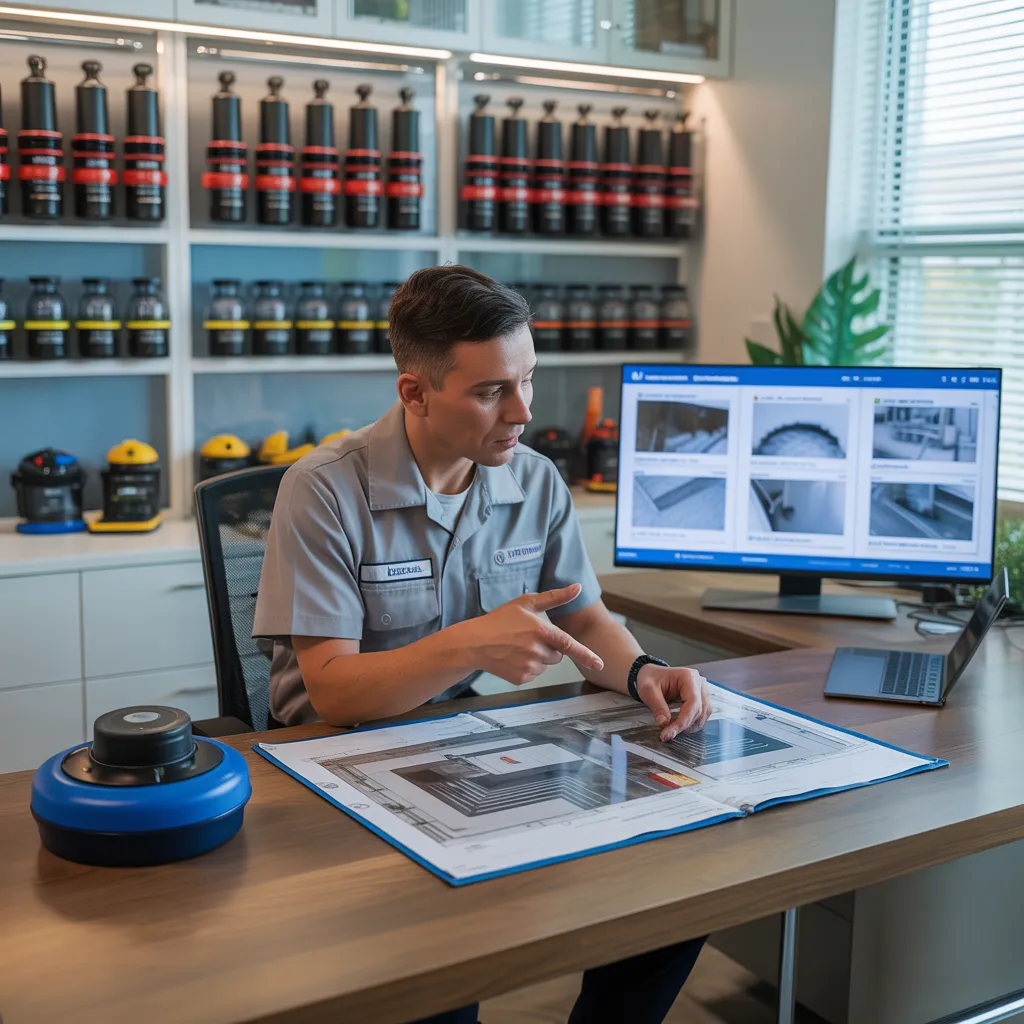
Why Mold Constitutes a Problem: Health Hazards and House Deterioration
Mold presents significant health dangers and can result in extensive harm to homes. It thrives in damp, humid environments, making basements, bathrooms, and kitchens especially susceptible. Exposure to mold can trigger respiratory issues, allergic reactions, and other health concerns, particularly for individuals with prior conditions. Symptoms may include coughing, sneezing, skin irritation, and sinus congestion.
In addition to health implications, mold can compromise the structural integrity of a property. It consumes organic materials like wood and drywall, leading to rot and decay. Eventually, this can lead to expensive fixes and diminished property value. Homeowners often face challenges in identifying mold growth early, as it can be concealed behind walls or under flooring. Essential mold remediation is important for protecting both health and property. Addressing mold issues promptly can reduce risks and restore a safe living environment.
Clues You Need Professional Fungal Treatment
Identifying the existence of fungus in a home can be difficult, especially given its potential to grow concealed within walls or under floors. Homeowners should be vigilant for several indicators indicating the need for professional mold remediation. A persistent damp smell is often the first apparent sign, suggesting mold growth nearby. Visible mold patches, which can appear in various colors, are another clear sign that remediation is necessary. Additionally, unexplained health issues, such as respiratory problems or allergic reactions among household members, may indicate a mold problem. Increased moisture levels, particularly in damp areas like basements or bathrooms, can also create ideal conditions for mold growth. If homeowners encounter any of these signs, it is essential to seek professional help to address the issue effectively and safeguard their living environment. Prompt action can prevent further damage and enhance indoor air quality.
The Process of Mold Remediation: Which details to Expect
When homeowners use professional mold remediation services, they can expect a structured approach to dealing with the issue. The process begins with a thorough inspection to identify the extent of the mold infestation and the underlying moisture sources. Following the assessment, professionals will seal off the affected areas to prevent the spread of spores during the removal process.
Following this, specialized tools is used to eliminate the mold, featuring HEPA vacuums and antimicrobial solutions. After the mold is eliminated, the affected surfaces are treated and sanitized. Homeowners may also obtain recommendations for improvements or upgrades to stop future mold growth, including improving ventilation or addressing water intrusion.
Ultimately, a post-remediation review assures that the area is clear of mold. Homeowners can anticipate an in-depth report explaining the services rendered and preventative measures taken, letting them to breathe easy once again in their revitalized living space.

How to Select the Best Mold Remediation Service for Your Needs
Following comprehension of the mold abatement process, determining the ideal service proves necessary for effective resolution. Homeowners need to launch by researching local companies with proficiency in mold issues. It is important to assess for accreditations, such as those from the Institute of Inspection, Cleaning and Restoration Certification (IICRC), which reveal a competent standard of delivery.
Also, customer feedback and recommendations can provide understanding into the reliability and quality of service. It is recommended to obtain multiple estimates to compare pricing, scope of work, and timelines. A thorough assessment of the property by the contractor should be part of the process, guaranteeing an precise comprehension of the mold situation.
Ultimately, it is important to verify that the company has sufficient insurance and offers a warranty on their work, protecting against likely future mold problems. These steps can help homeowners make a well-informed decision when selecting a mold remediation service.
Professional Mold Elimination Services Advantages
Professional mold removal services deliver significant benefits that go beyond simple cleanup. These services successfully minimize health hazards associated with mold exposure, guaranteeing a more secure environment. Additionally, they include comprehensive inspection procedures and long-term prevention approaches that safeguard properties from future infestations.
Health Problem Management
Although mold might seem like a small problem, its presence can lead to serious health risks, particularly for vulnerable populations such as children, the elderly, and those with prior lung ailments. Expert mold removal solutions successfully reduce these risks by locating and eliminating mold sources, guaranteeing a healthier indoor environment. Qualified professionals utilize modern methods and tools to eliminate mold spores, stopping their spread and decreasing the likelihood of hypersensitive responses, asthma attacks, and other respiratory issues. Additionally, these services often include indoor air evaluations, providing essential data for further preventive measures. By tackling mold promptly and effectively, homeowners can greatly decrease safety risks, ultimately enhancing well-being and peace of mind for all occupants.
An meticulous check procedure
Resolving mold problems not only guards health but also reinforces the criticality of a detailed evaluation protocol. Experienced mold remediation services begin with a thorough evaluation, recognizing apparent and obscured mold sources. Experts utilize state-of-the-art equipment, such as moisture meters and infrared cameras, to pinpoint moisture levels and assess affected areas accurately. This scrupulous inspection helps determine the extent of contamination, facilitating effective remediation strategies. Additionally, professionals evaluate indoor air quality, delivering insights into potential health impacts. By relying on a logical inspection, property owners can affirm that all mold issues are managed, curtailing the risk of recurrence and securing both health and property value. Ultimately, a in-depth inspection is the underpinning for effective mold remediation.
Extended-Duration Prevention Techniques
Effective mold remediation services provide numerous long-term prevention strategies that significantly improve indoor environments. These strategies include comprehensive moisture management, which addresses the root causes of mold growth. Professionals frequently suggest dehumidifiers and proper ventilation to sustain optimal moisture conditions. Furthermore, they may suggest the use of mold-resistant materials throughout renovation projects, further reducing the risk of subsequent mold problems. Regular maintenance inspections can also detect possible problems before they escalate, allowing for prompt action. By implementing these preventive steps, building proprietors can considerably lower the likelihood of mold reappearance. In the end, these extended preventative approaches not only improve indoor air quality but also safeguard the structural integrity of residential and commercial properties, promoting improved health and wellness environments.
Halting Future Mold Development in Your Home
To eliminate future mold growth in a home, homeowners must stress moisture control and effective air exchange. Increased moisture generate an optimal environment for mold spores to multiply, making it important to control indoor humidity below 50%. Deploying moisture extractors in damp areas, such as basements, can significantly minimize moisture.
Furthermore, guaranteeing adequate airflow throughout the home is crucial. This can be accomplished by frequently opening windows and utilizing exhaust fans in kitchens and bathrooms. Regular inspections for leaks in plumbing and roofing are also critical, as even minor water damage can lead to mold proliferation if not addressed promptly.
Homeowners should consider using mold-resistant materials when remodeling or constructing, reducing the danger additionally. By adopting these proactive measures, homeowners can create an unfavorable conditions for mold, ensuring a healthier living space for their household members.
Often Posed Questions
What Is the Expected Cost of Mold Remediation?
Mold removal costs typically span between $500 to $6,000, contingent upon the severity of the contamination, the affected area, and the methods employed. Homeowners should consider several estimates for accurate budgeting and effective solutions.
Is it Possible to Live in My Home During Remedial Work?
During mold removal, it is often recommended to remain in another location, particularly if the area is severely affected. However, some situations allow for limited occupancy, depending on the extent of the mold and safety measures implemented.
How Much Time Will the Mold Remediation Process Require?
Mold remediation typically takes between one to five days, depending on the level of mold growth and the area of the impacted region. Factors such as drying time and necessary repairs may also impact duration.
Is Mold Remediation Covered Under My Policy Coverage?
Insurance protection for mold removal differs by policy. Some homeowners' insurance may cover it if mold stems from a covered peril, while others may exclude mold damage. Reviewing the specific policy details is essential for clarity.
Which Species of Mold Are Most Often Found in Homes?
Standard types of mold found in homes include Aspergillus, Cladosporium, helpful guide and Stachybotrys (black mold). These molds succeed in moist environments and can generate health risks, making discovery and remediation essential for preserving a safe living space.